
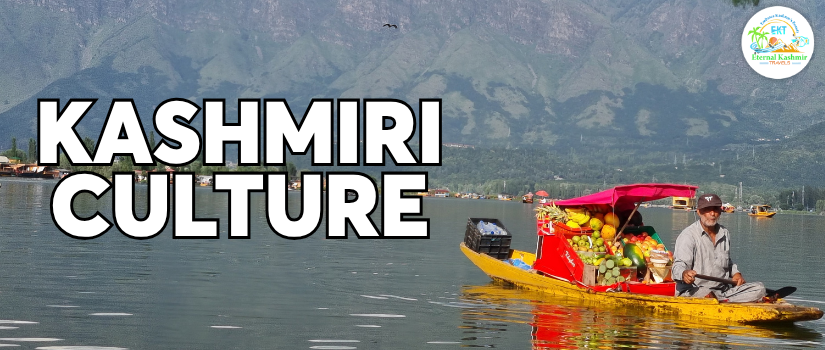
There is no denying that Kashmir is a "heaven on earth." It's found importance not only for its beautiful landscapes, but also for being a hub for rich cultures across the world. Kashmiri culture is undeniably a site for centuries of artistry, craftsmanship and hospitality that draws in endless people who visit every year.
Kashmiri Traditional Dress and Phiran
The Phiran represents Kashmir's traditional attire - a knee-length, loose-fitting robe made from wool or jamawar. The clothing is usually decorated with embroidery work called Aari or Sozni style, showcasing the craftsmanship of the valley's excellent needlework.
Traditional Kashmiri dress expresses cultural identity and is practically suited to the environmental temperature. The clothing is designed to be warm in cold winter months, yet remain stylish and comfortable across each season. Women's clothing has phirans adorned with ornamented patterns, while men's clothing tends to be simple with lighter embroidery designed into the garment.
Kashmiri Cuisine and Wazwan
Kashmir is known for its unique gastronomical traditions, with Wazwan as the highlight. Wazwan is a solid multi-course meal prepared by traditional cooks called Waz. The Wazwan culinary experience consists of 36 courses and is served in a larger community for weddings and celebrations.
The following are popular Kashmiri dishes: Rogan Josh, Yakhni, Gustaba, Tabak Maaz, and Kashmiri Kebab - all of which are prepared with spices and freshly sourced ingredients. For those interested in vegetarian options, Dum Aloo, Rajmah, Haak, Nadru Yakhni, and Chaman showcase equally appetising flavours, showcasing Kashmiri agriculture.
Another key Kashmiri drink is Kehwa, a traditional tea prepared with saffron, cardamom, and almonds that is served during special occasions. Another famous tea in Kashmir is Noon Chai, which is created each day in traditional copper Samovars, and is known for being distinctly pink and salty.
Kashmir also has a bakery tradition that creates Tsot, Lavasa, Bakarkhani, and Sheermal breads that all have soft bread dough and golden crusts topped with sesame and poppy seeds.
Kashmiri Handicrafts and Pashmina Shawls
Kashmir boasts a remarkable tradition of handicraft that is famed throughout the world for their artistic excellence developed over centuries of artistry practice. For example, Pashmina shawls are made through a long process that requires a minimum of 180 hours to complete the combing, spinning, weaving, and finishing, which is all done by skilled artisans by hand. Kani shawls represent an even more subtle and sophisticated art form that uses some simple wooden needles that artisans wind thread-by-thread to weave Mughal patterns following coded designs called Talim methods. Making these exquisite pieces can take months to even years to complete, with some completed pieces selling for lakhs of rupees.
Kashmiri artisans also have major expertise in other crafts, including carpet weaving using hand-knotted silk and wool designs, walnut wood carving and crafting elaborate floral floral-patterned carvings, paper-mâché work with hand-painted designs bursting with colour, chain stitch embroidery to create strong blocks of colored fabric, and beautiful copper work when artisans create traditional Samovars and other vessels.
Kashmir Festivals and Tulip Festival
Kashmir is an exceptionally hospitable destination that hosts a wide variety of festivals throughout the year, engaging its diverse population in traditional and religious customs and celebrations. Flourishing in the spring, the Tulip Festival at Indira Gandhi Memorial Tulip Garden displays Asia's largest collection of Tulips against the stunning backdrop of the Zabarwan Range - an alluring experience attracting thousands of visitors each year.
During the saffron harvesting season, the Saffron Festival in Pampore grants visitors the rare opportunity to view the collection of the world's most expensive spice and the magnificent fields of purple blooms as the saffron flowers peak. Adjacent to the saffron fields, the Shikara Festival on Dal Lake showcases traditional wooden shikaras as they are decorated and placed in a series of races against one another, as well as the competing beauty of cultural events.
In addition to these festivals, many traditional bazaars are updated annually to represent local culture, often showcasing folk dances, handicraft exhibitions, musical performances featuring the traditional music of Kashmir, and authentic Kashmiri foods that appeal to both domestic and often international tourists.
Kashmiri Carpets and Weaving Art
Kashmiri carpet weaving is clearly one of the most exquisite forms of textile art in the world, with a history that can be traced back centuries. These hand-knotted carpets are made with rich silk and wool and are exquisitely designed in the Persian and Mughal ceramic style that illustrates incredible craftsmanship.
Kashmiri carpets are beautifully designed masterpieces that take months of our artisans’ time to complete. Most carpets are woven with thousands of knots per square inch and include designs that range from a variety of floral motifs to different geometric designs. The silk carpets of Kashmir are particularly favoured due to their sheen and detail.
While there is nothing like holding or feeling a Kashmiri carpet in person, traditional weaving workshops in Kashmir continue to keep ancient techniques alive that have been passed through family generations. The artisans use natural dyes, sourced from plants and minerals, to produce loyal colours that are rich and alive. Our carpets are handmade and represent more than just decorative floor coverings; they represent Kashmiri incomparable and historic weaving heritage and artistic craft.
Kashmiri Language and Literature Heritage
Kashmiri, or Koshur, is a Dardic language with a speaker population of around 7 million in the Kashmir Valley. For several centuries, the Kashmiri language has produced remarkable literary works and remains a source of literary identity to this day. Legends of Kashmiri literature who have contributed to the sublime literature of Kashmir are poets like Mehjoor and Abdul Ahad Azad, renowned authors of poetic and poetic verse.
The Kashmir valley is a land of tradition, and the literary tradition within the valley exemplifies the scholarship of the region, where the wisdom and cultural expressions of the valley have survived and been preserved for all generations. Kashmiri literature is representative of Kashmir and is prolific across genres like prose, poetry, folklore, and storytelling.
Kashmir Traditional Architecture and Houses
Kashmiri architecture consists of distinct wooden forms with elaborate patterns and sloping roofs specific to snowfall requirements. Traditional houses are constructed using a method of Dajji Dewari construction made to withstand earthquake forces using wooden structures and brick masonry.
The historic gardens are designed who have a Persian influence through terraced layouts, water channels, and symmetry, indicating Kashmir's historic connections with Central Asian design approaches in architecture while accommodating the climate and geography of the region.
Wooden Pinjrakari lattice work creates decorative geometric panels in windows and on balconies, where it supports air flow and light. Traditional Kashmiri homes are designed with courtyards at the centre surrounded by multi-level forms of living where he/his family had separate quarters in summer and winter.
Kashmiri Agriculture and Saffron Cultivation
The agricultural tradition in Kashmir can be traced back to the cultivation of what is considered the finest saffron in the world, in the purple fields of Pampore. The saffron of Kashmir is known around the world for its high quality, intense colour, and unique fragrance - a product of centuries of generational refinement of cultivation practices.
The valley is also known for its high-quality walnuts, apples, cherries, and almonds, and is laced with orchards of fruit trees that lend themselves to seasonal colours and agriculture. Traditional agricultural methods provide a balance with modern methods, enabling the preservation of traditional forms of ecological stewardship, a source of livelihood, and assistance to Kashmir's rural and populous economy.
Kashmiri Lifestyle and Traditional Customs
The hospitality of Kashmir is without equal. Guests are welcomed into each household like blessings-greeted with Kehwa, or flavoured/infused tea (made with saffron, cardamom, cinnamon and almonds), as well as traditional foods. Family values are absolutely central to everyday life in Kashmir. Households often include many generations of families, as ties remain close between families and responsibilities are shared.
The Kangri (fire pot) showcases the innovative way in which Kashmiris have adjusted to the cold winter months. In the harshest of winters, Kashmiris warm their Phirans (long wool coats) by rubbing them against these portable fire pots, illustrating traditional knowledge embedded in a customary lifestyle.
Storytelling traditions have sustained the sharing of stories and wisdom from generation to generation. Elders will tell stories that are certainly dated, about leaders, morality, history, and other topics, as a means of preserving cultural memory and small interactions in the community found between all ages.
Conclusion
Kashmiri culture is an extraordinary heritage created from artistic accomplishments, traditional crafts, hospitality, and culture, from Pashmina shawl artistry to delicious Wazwan cuisine, from Santoor melodies to colourful festivals.
Each detail reflects the valley's remarkable heritage and the kindness of its people. Visitors are drawn by Kashmir's natural beauty and cultural treasures to glean insights into an extraordinary civilisation that has flourished for millennia.
To experience this extraordinary heritage and learn about Kashmir's cultural treasures, visit Eternal Kashmir Travels for authentic travel experiences connecting you to the heart and soul of this magical valley-transforming your passage through Paradise into an unforgettable cultural experience.